
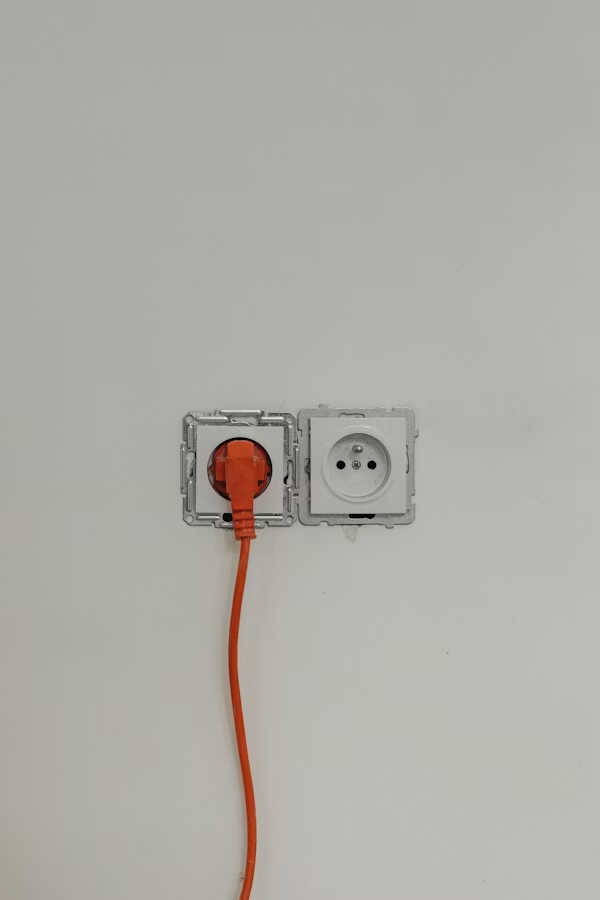
Injection molding is a vital manufacturing process in the electronics and electrical industry, enabling the production of precise, durable, and cost-effective plastic components. It allows manufacturers to create high-quality parts for consumer electronics, industrial equipment, and electrical devices with consistent performance and tight tolerances.
Common Injection Molded Electronics and Electrical Components
Injection molding is used to produce a wide range of electronics and electrical parts, including:
-
Consumer Electronics: Smartphone and tablet housings, remote controls, headphone components.
-
Electrical Enclosures: Switch boxes, circuit breaker housings, junction boxes, and device casings.
-
Connectors and Sockets: USB connectors, power plugs, terminal blocks, and cable connectors.
-
Switches and Buttons: Keypads, push buttons, rocker switches, and control panels.
-
Industrial Electronics: Sensor housings, relay cases, mounting brackets, and protective covers.
Materials Commonly Used in Electronics and Electrical Injection Molding
Selecting the right material is critical for meeting mechanical, thermal, and electrical requirements. Popular materials include:
-
ABS (Acrylonitrile Butadiene Styrene):
-
Strong, impact-resistant, and easy to mold.
-
Used for housings, enclosures, and device shells.
-
-
Polycarbonate (PC):
-
Transparent, heat-resistant, and durable.
-
Ideal for protective covers, display panels, and high-strength housings.
-
-
PBT (Polybutylene Terephthalate):
-
Excellent dimensional stability, electrical insulation, and chemical resistance.
-
Common in connectors, switch components, and circuit housings.
-
-
Nylon (PA – Polyamide):
-
High mechanical strength and wear resistance.
-
Suitable for gears, mounts, and robust connector parts.
-
-
Thermoplastic Elastomers (TPE/TPU):
-
Flexible, vibration-resistant, and durable.
-
Often used for cable grommets, flexible buttons, and protective seals.
-
-
Polyphenylene Sulfide (PPS):
-
High heat resistance and flame retardancy.
-
Used in high-temperature connectors and electronic housings.
-
Advantages of Injection Molding in Electronics Manufacturing
-
Precision and Consistency: Produces complex geometries with tight tolerances.
-
High Production Efficiency Ideal for mass production of electronic parts.
-
Material Flexibility: Supports rigid plastics, flexible elastomers, and high-performance engineering m
-
Electrical Safety: Materials provide insulation, flame retardancy, and heat resistance.
